


QU'EST-CE QUE TU CHERCHES?
Choosing between an automatic and semi‑automatic block machine is one of the most critical investment decisions for new block plant startups and existing brick‑factory owners in 2026. Many buyers only compare machine prices, ignoring daily output targets, local labor expenses, factory space, long‑term maintenance cost and market order demands, which leads to over‑investment or insufficient production capacity laterSanlian.
Semi‑automatic and fully‑automatic block lines both can produce hollow blocks, solid blocks and paving blocks, yet they differ greatly in automation degree, labor demand, hourly output, total ownership cost and suitable business scenarios. This practical guide breaks down core differences, matches equipment to your real output goals, and helps you make a cost‑effective purchasing decision, whether you are launching a new block factory or upgrading your existing production line.
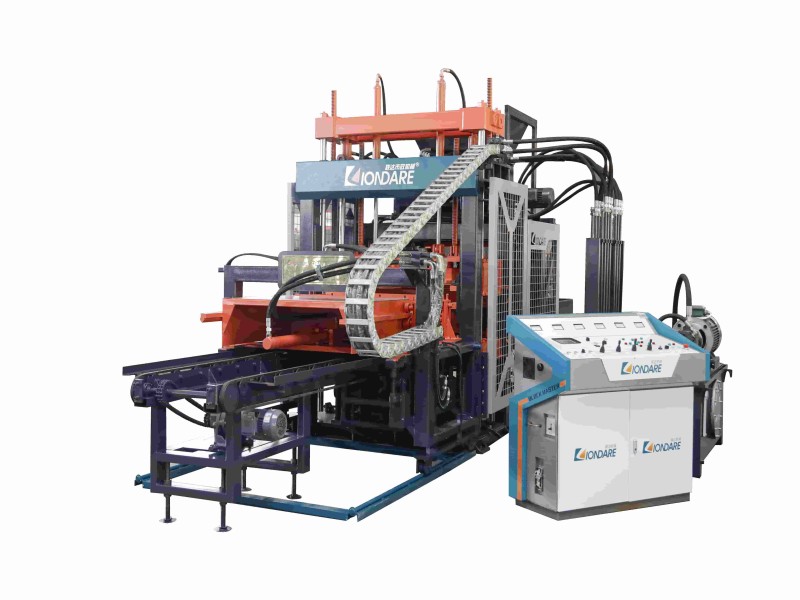
The molding, vibration and compression procedures run automatically controlled by hydraulic system. However, raw material feeding, finished block pallet transportation, pallet delivering to curing area rely heavily on manual operation or forklift workSanlian. Operators need to handle pallets, move green blocks and monitor material supply frequently.
Typical setup: main block machine + separate mixer, without full conveyor, automatic pallet magazine or stacker. It keeps equipment cost low while reserving manual work links.
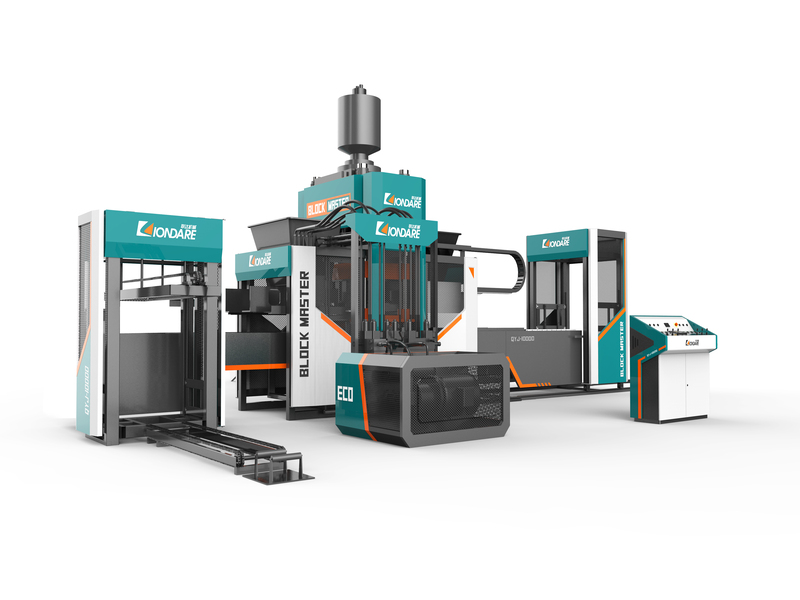
Whole production workflow is PLC‑controlled, from raw material batching, mixing, feeding, molding, pallet conveying, block demolding, automatic stacking to cubing. Conveyors, finger cars and stackers take over material and product transportation, human operators only supervise system status, adjust production parameters and perform regular inspection, few heavy manual handling work is needed.
Automatic lines integrate complete auxiliary equipment, realizing continuous non‑stop production cycles.
Production output is the top benchmark for machine selection. Below are real‑world reference data for 2026 market conditions (8‑hour working shift):
Best‑fit output targets: Small‑medium projects, local regional supply, startup plants with limited capital, small‑volume customized block orders.
Best‑fit output targets: Large‑scale government construction contracts, wholesale block distribution, multi‑shift continuous production, factories targeting fast market expansion.
Important Reminder: Nominal output from suppliers is under ideal testing conditions. Actual real‑site output will be affected by raw material quality, operator skill, machine maintenance status and shift arrangement.
Labor expense occupies the largest recurring cost for block manufacturing after raw materials.
Q1: Can I upgrade my existing semi‑automatic block machine into a fully‑automatic production line? A: Partial upgrade is feasible, but not a simple plug‑and‑play modification. You can retain main host machine and mixer, while adding conveyors, pallet magazines and stackers. It involves electrical‑system reconstruction, site layout adjustment and technical debugging. Full‑function transformation costs much, evaluate ROI before making decisionsSanlian.
Q2: How many workers do I need for semi‑automatic and automatic block machine per shift?
A: Semi‑automatic block machine generally requires 3‑5 workers for one shift. Fully‑automatic block line only requires 2‑4 skilled technicians, who mainly monitor equipment rather than heavy manual handling work.
Q3: Which machine brings shorter payback period, automatic or semi‑automatic block machine? A: Semi‑automatic lines have shorter payback period for small‑volume production thanks to low initial investment. Fully‑automatic lines achieve faster ROI under stable high‑volume continuous production, saving massive labor cost in long run. If your actual output is low, automatic equipment will extend payback cycle.
Q4: Can both automatic and semi‑automatic block machines produce paver blocks and hollow blocks? A: Yes. Both machine types can manufacture hollow blocks, solid blocks and interlocking paving blocks by changing molds. Automatic lines deliver better consistency for high‑quality paving blocks; semi‑automatic models are more flexible for frequent small‑batch mold switching.
Q5: For startup block plant with uncertain future order volume, should I buy automatic or semi‑automatic machine?
A: Semi‑automatic block machine is more recommended for startups with unstable orders. It lowers early‑stage investment risk. When market orders grow stably later, you can carry out phased automation upgrade instead of investing heavily in full‑automatic line at the beginning.
 One kilometer away from the exit of Nanshi Expressway in Rongqiao Project Concentration Area, Nan'an City
 E-mail
: admin01@liandamachine.com
E-mail
: admin01@liandamachine.com


 Réseau IPv6 pris en charge