


QU'EST-CE QUE TU CHERCHES?
Introduction
Can you use local sand and stone in a block making machine? In most cases, yes. Using locally available materials can reduce transportation costs and make concrete block production more economical.
However, not all sand and stone are suitable for making strong, durable concrete blocks. Poor grading, excessive clay, inconsistent moisture, or unsuitable aggregate sizes can lead to weak blocks, rough surfaces, cracking, and high rejection rates.
Before purchasing a new block making machine or changing the materials in an existing production line, you should test your local aggregates and produce trial blocks.
The key is not simply finding cheap raw materials. It is finding materials that consistently produce quality blocks at a reasonable cost.
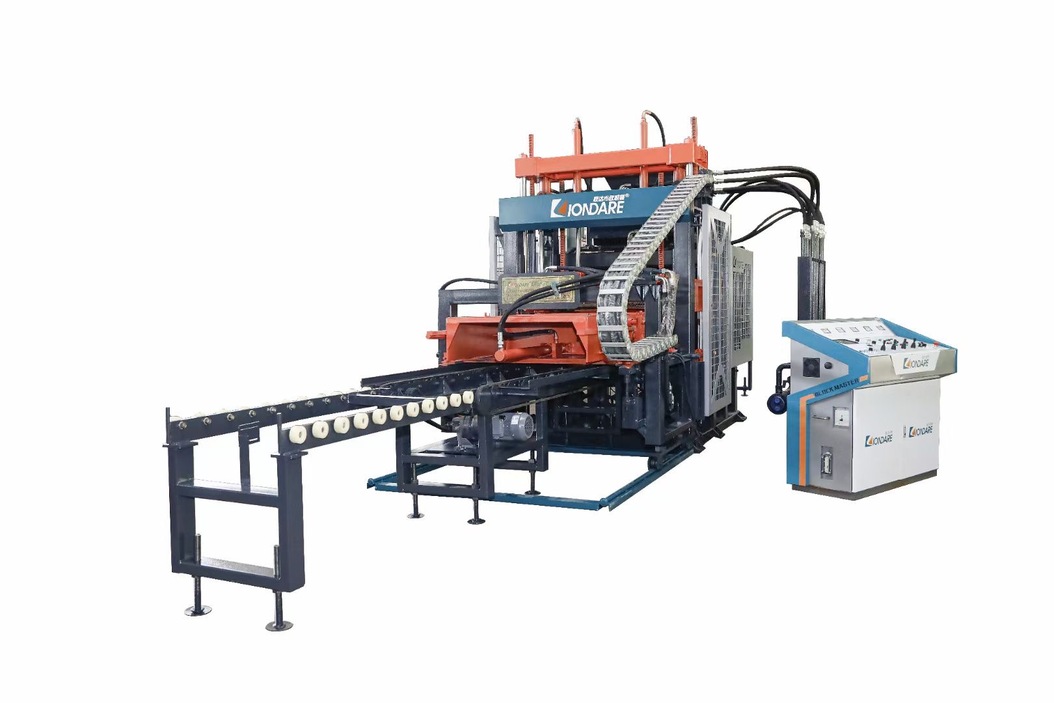
1. Check Sand Quality Before Production
Sand is one of the most important raw materials in concrete block manufacturing. Its particle size, cleanliness, and moisture content affect workability, compaction, and final block strength.
Before using local sand, check three things:
* Particle size: Sand should have a suitable distribution of fine and coarse particles. Poor grading can create excessive voids or make the mix difficult to compact.
* Clay and silt content: Excessive fine impurities can interfere with cement bonding and increase water demand.
* Moisture content: Wet sand introduces additional water into the mix, so the added water must be adjusted accordingly.
Avoid choosing sand based only on its appearance or price. If possible, request a sieve analysis and a test for excessive silt or clay from a local laboratory.
2. Test Local Stone and Gravel
Local crushed stone or gravel can often be used in a block making machine, but its size and shape must suit the product and mold.
Oversized aggregate may interfere with filling narrow mold cavities, especially when producing hollow blocks. Excessive flaky particles or inconsistent grading can also affect compaction and surface quality.
Before production, check:
* Aggregate size and particle distribution.
* Clay lumps, dust, and other impurities.
* Particle shape and consistency between deliveries.
* Compatibility with the block dimensions and wall thickness.
For many concrete block applications, properly graded fine aggregate and suitable small-sized coarse aggregate are more practical than large stones. The correct combination depends on the block design and machine configuration.
3. Control Moisture Before Adjusting the Mix
One common mistake in block production is adding the same amount of water every day, regardless of weather or aggregate moisture.
Many concrete block machines use a relatively dry, stiff concrete mix. The material must be moist enough to bind together but dry enough to retain its shape after demolding.
If the mix is too dry, blocks may crumble, have weak edges, or fail to fill the mold properly. If it is too wet, blocks may deform, stick to the mold, or lose their shape.
Check sand moisture regularly, especially after rain or when changing suppliers. Adjust the added water based on the actual moisture of the aggregates.
Practical tip: Do not rely on a single fixed water quantity. Establish a suitable moisture range through trial production using your own local materials.
4. Test the Mix Before Buying a Block Making Machine
A machine supplier may demonstrate excellent blocks using carefully selected raw materials. Your local materials may behave differently.
Before placing an order, ask whether the supplier can evaluate your aggregate samples or conduct a trial using your proposed mix.
A practical trial should include:
1. Testing the sand and stone for grading and impurities.
2. Preparing several trial mixes with controlled proportions and moisture.
3. Producing blocks using the intended machine and mold.
4. Checking dimensions, surface quality, demolding stability, and visible defects.
5. Testing compressive strength and water absorption when required by the product specification.
Do not judge block quality only by appearance or by whether a fresh block survives handling. Laboratory testing is needed to confirm strength and other specified performance requirements.
For reference, ASTM C140/C140M provides test methods for concrete masonry units, including dimensions, compressive strength, absorption, density, and moisture content. The applicable requirements depend on the product and the market where the blocks will be sold.
5. Can Poor Raw Materials Be Fixed by a Better Machine?
Not always.
A more advanced block making machine may improve feeding consistency, vibration, compaction, and production control. However, it cannot automatically correct unsuitable aggregate grading, excessive clay, or an improperly designed mix.
If your existing machine produces weak or uneven blocks, investigate the raw materials and production process before assuming the machine is the problem.
Start by checking:
* Whether sand and stone grading has changed.
* Whether aggregate moisture is consistent.
* Whether cement proportions and mixing time are controlled.
* Whether the mold is worn or incorrectly adjusted.
* Whether vibration and compaction are suitable for the mix.
* Whether curing conditions are consistent.
This approach can help reduce waste and avoid unnecessary equipment replacement.
6. How to Choose a Block Making Machine for Local Materials
If you are planning to start a block factory, raw material compatibility should be part of your purchasing decision.
Before choosing a machine, provide the supplier with information about your available sand, stone, cement, target block sizes, and expected production volume.
Ask these questions:
* Can the machine produce my required block sizes and shapes?
* What aggregate size range is suitable for the proposed mold?
* Can I test my own materials before confirming the order?
* What mixing, batching, and curing equipment will I need?
* What production output can I realistically expect with my materials and operating conditions?
A machine that matches your local materials and production goals is often a better investment than one selected only by its advertised maximum capacity.
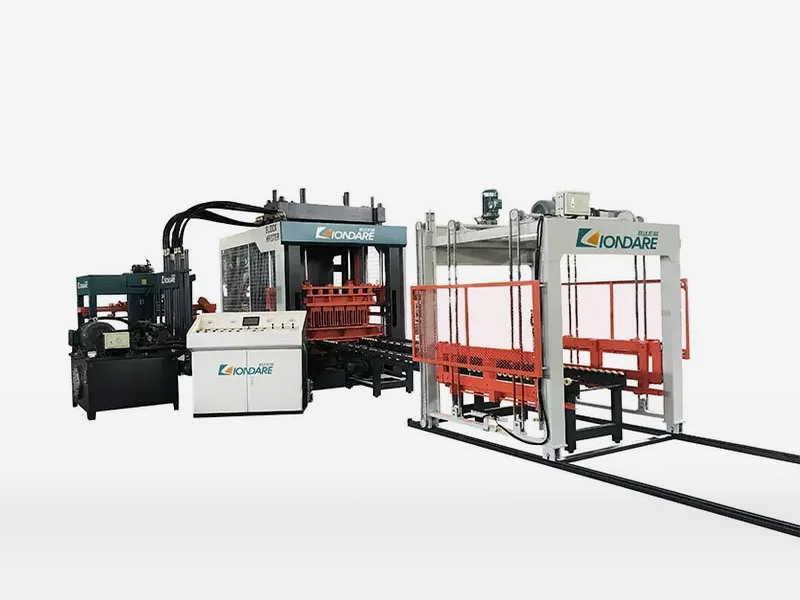
Conclusion
Local sand and stone can often be used in a block making machine, helping manufacturers reduce raw material and transportation costs. But suitability must be confirmed through testing rather than assumptions.
Check aggregate grading, clay and silt content, moisture, and particle size. Then conduct trial production and verify the finished blocks against the relevant quality requirements.
For new buyers, testing local materials before purchasing equipment reduces investment risk. For existing block producers, it can help identify the cause of weak blocks, inconsistent production, and unnecessary waste.
Before buying a block making machine, test your materials first. The right combination of raw materials, mix design, machine settings, and curing is what makes reliable block production possible.
Frequently Asked Questions (FAQ)
1. Can I use river sand in a block making machine?
Yes, if the river sand has suitable grading and acceptable impurity levels. Test its particle distribution and clay or silt content before production. Washing or blending may be necessary if the material does not meet your requirements.
2. Can I use crushed stone instead of natural gravel?
Often, yes. Crushed stone can be suitable for concrete blocks when its grading, particle shape, cleanliness, and maximum size are appropriate for the mix and mold. Trial production is recommended before full-scale use.
3. What is the best sand-to-stone ratio for concrete blocks?
There is no single ratio suitable for every block machine and every local material. The correct proportions depend on aggregate grading, cement content, block type, required strength, and compaction method. Develop the mix through controlled trials and strength testing.
4. Why are my concrete blocks weak even though my block making machine works properly?
Possible causes include unsuitable aggregate grading, excessive clay, incorrect moisture, insufficient cement, poor mixing, inadequate compaction, or improper curing. Check these factors systematically before replacing the machine.
5. Should I test local materials before buying a block making machine?
Yes. Testing helps confirm whether your materials can produce blocks that meet your target quality requirements. It also helps the supplier recommend a suitable mold, mixing system, and production configuration, reducing the risk of costly changes after installation.
 One kilometer away from the exit of Nanshi Expressway in Rongqiao Project Concentration Area, Nan'an City
 E-mail
: admin01@liandamachine.com
E-mail
: admin01@liandamachine.com


 Réseau IPv6 pris en charge